
-
Pelagic Fisheries and Salmon
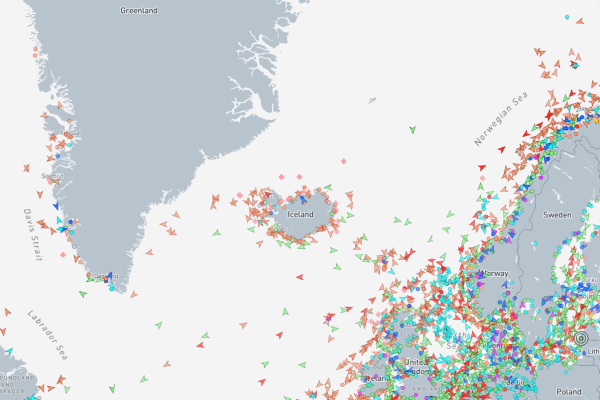
We are pleased to share Newsletter 32 (19 February 2026) from Salmon Watch Ireland, focusing on emerging evidence of Atlantic salmon bycatch in pelagic fisheries of the Nordic Seas. This edition highlights: Documented salmon catches during the International Ecosystem Summer Survey in the Nordic Seas (IESSNS), including 126 salmon recorded in 2025 surface trawls. Growing international policy attention, with Atlantic salmon formally added to the ICES list of species of bycatch relevance. The westward expansion of mackerel fisheries since 2005–2007 and the implications for salmon during critical marine feeding migrations. Concerns regarding the blue whiting fishery around the Faroe Islands during the March–April period. Reflections on improved salmon size and returns in 2020 during reduced pelagic fishing effort, and what this may (and may not) indicate. The evidence demonstrates clear spatial overlap between offshore pelagic fisheries and salmon during key marine phases. While comprehensive North Atlantic bycatch estimates remain unavailable, systematic reporting is now being formalised — an important step forward. Our policy position is straightforward: improved monitoring, mandatory and standardised reporting, genetic identification of any salmon caught, and greater integration of ecosystem and fisheries data are essential to ensure pelagic fisheries do not contribute avoidable additional mortality to vulnerable salmon stocks. Our aim remains unchanged: to keep all interested parties informed so that responsible, evidence-based conservation can take place. This is a space for constructive contribution and shared understanding. Above all, our collective objective is clear — more salmon reaching their spawning grounds, not fewer. Thank you for your continued support. Newsletter Number 32 - Feb 20 2026
Continue reading -
A changing ecosystem – The decline of Atlantic salmon
In this issue, we introduce recent peer-reviewed scientific research that provides important insight into the continuing decline of Atlantic salmon at sea. While much attention has focused on rivers, the evidence increasingly shows that the greatest losses are occurring in the marine environment — particularly in the critical early weeks after young salmon enter the ocean. Three recent studies point to a major ecosystem shift in the Northeast Atlantic around 2005, with long-term declines in plankton productivity and marine energy availability. The findings suggest that reduced food availability — rather than simple temperature “shock” — is now a key driver of lower growth and survival. The implications are significant. If marine productivity remains depressed, recovery to historic salmon abundance will be extremely difficult without addressing every avoidable human pressure, both at sea and in coastal waters. This newsletter summarises the headline findings and provides links to the three scientific papers. We hope you find it informative and, as always, we welcome your feedback and continued support. Newsletter Number 31 - 10 Feb 2026
Continue reading -
Newsletter Number 30 – 07Feb 2025
Salmon Watch Ireland response to updated draft tagging regulations Salmon Watch Ireland acknowledges that the updated draft Wild Salmon and Sea Trout Tagging Scheme Regulations 2026 include measures that continue to provide important protection for spring salmon, particularly through the retention of strict controls outside the main summer harvest period. The organisation recognises the importance of safeguarding early running fish, which remain under pressure in many river systems. However, Salmon Watch Ireland is concerned by several elements of the revised draft, particularly where changes represent a reduction in precaution compared with the previous draft regulations. 2026
Continue reading