
-
Salmon Aquaculture – History and Information Resource
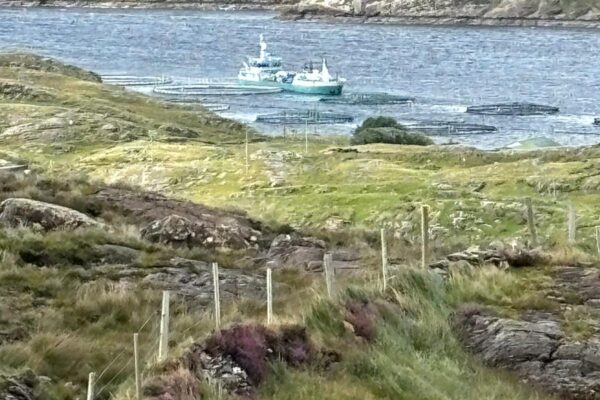
Salmon Watch Ireland has recently published its latest newsletter examining the relationship between salmon aquaculture and the future of wild Atlantic salmon and sea trout in Ireland. The newsletter outlines key issues currently being discussed in Ireland and internationally, including sea lice, disease risks, regulatory oversight, and the wider environmental debate surrounding open-net salmon farming in coastal waters. It also highlights the potential implications for wild salmonid populations that migrate through areas where aquaculture operations are located. We are sharing this publication as an information resource for the public and for anyone interested in the science, policy and environmental questions surrounding salmon aquaculture in Ireland. Further background information and related resources are also available on the Salmon Watch Ireland website: https://salmonwatchireland.ie/salmon-farming-ireland/ Please feel free to share this with colleagues or anyone who may have an interest in the future of wild salmon and sea trout.
Continue reading -
Salmon Watch Ireland Newsletter Number 33- 27 February 2026 Freshwater Survival Newsletter
This edition focuses on one of the most important, and often underestimated, stages in the salmon life cycle — freshwater survival before ocean entry. Drawing on long-term Irish research from systems such as the River Bush, Burrishoole, River Erriff, and southern rivers, the newsletter outlines: Evidence that significant mortality occurs during downstream migration The impact of low-flow, warm spring conditions on smolt survival The importance of discharge timing and spring freshets Increased risks associated with long estuaries How freshwater stress can compound with marine parasite pressures The critical role of genetic integrity and environmental stability The consistent message from Irish datasets is clear: freshwater conditions are not neutral — they strongly shape marine survival outcomes. We also introduce Hydronet, a comprehensive river data resource covering water height and temperature, which may be of interest to anyone examining historical or current river conditions. Freshwater survival is one of the most manageable stages in the salmon lifecycle, and protecting natural flow regimes, limiting abstraction during migration, maintaining connectivity, and reducing thermal stress can all make a measurable difference. I hope you find this edition informative and useful. As always, we welcome feedback and discussion Newsletter Number 33 - Freshwater Migration
Continue reading