
-
Analysis – Electro Fishing Report 2024 – Newsletter Number 47 (17 September 26)
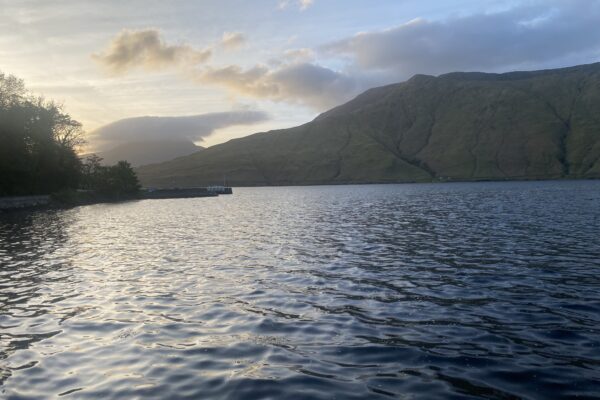
Analysis - Electro Fishing Report 2024 Dear Supporter, Salmon Watch Ireland’s latest newsletter examines Inland Fisheries Ireland’s 2024 Salmon Monitoring Programme and what its findings tell us about the condition of Ireland’s wild Atlantic salmon. The report covers electrofishing surveys across 41 catchments and sub-catchments, measuring juvenile salmon abundance at 969 sites. Results ranged from rivers where no salmon fry were recorded to strong juvenile production in rivers such as the Cloonee in Kerry. Our analysis also considers the River Erriff, Ireland’s National Salmonid Index Catchment, where only 1.3% of PIT-tagged smolts from the 2023 cohort were subsequently detected returning as adults. We examine this exceptionally poor survival alongside the timing of smolt migration, salmon-farm activity and recorded sea-lice levels in Killary Harbour. These results demonstrate why salmon must be protected throughout their lifecycle—from spawning and juvenile habitat in freshwater to their migration through estuaries, coastal waters and the wider North Atlantic. Please read our analysis and consult the full IFI report to see how your own river or catchment performed during 2024. The 2023 Erriff report which discusses sea trout in the newsletter is available here: Erriff Report 2023 Report on Electro Fishing 2024 - Newsletter Number 47 - 17 September 2026
Continue reading -

Ireland’s Summer Heatwave – A wake-up call for wild Atlantic salmon
This summer has provided a stark reminder of how quickly Ireland's climate is changing. Prolonged periods of warm weather, low river flows and increasingly intense rainfall events (if they arrive) are no longer exceptional—they are becoming an increasingly familiar feature of our summers. In this edition of the Salmon Watch Ireland newsletter, we examine how these changing weather patterns are affecting wild Atlantic salmon at every stage of their life cycle. From juvenile salmon struggling to survive in warm, shrinking rivers to adults delayed in estuaries where predation risk increases, the evidence demonstrates that climate change is becoming one of the defining challenges for salmon conservation. The newsletter also explores why restoring the resilience of our river catchments must now become a national priority. We highlight the urgent need for mandatory riparian buffer zones, stronger controls on nutrient pollution, improved land drainage management, natural water retention measures and the restoration of spawning habitats if Ireland's rivers are to remain capable of supporting healthy wild salmon populations in the decades ahead. Climate change cannot be viewed in isolation. It is magnifying the impacts of existing pressures on our rivers, making it more important than ever that we reduce every avoidable human impact on this iconic species. We hope you find this edition both informative and thought-provoking, and we thank you, as always, for your continued support of Salmon Watch Ireland and our work to secure a future for wild Atlantic salmon. Newsletter Number 43
Continue reading -
River Glyde – A n Ecological Disaster
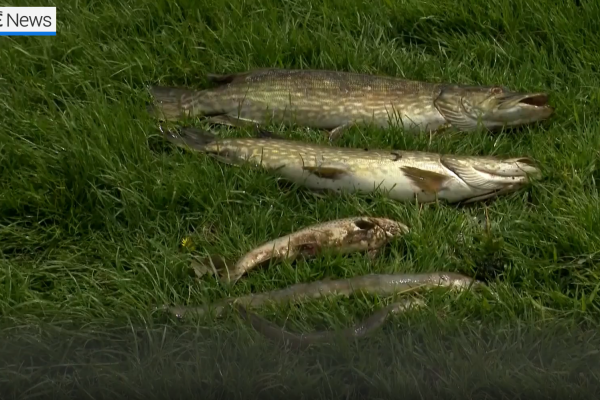
This edition is dominated by the devastating fish kill on the River Glyde, one of the most significant environmental incidents affecting a salmonid river in recent years. We outline the facts currently available, our response to the incident, and the broader implications for river protection and water quality management in Ireland. As always, thank you for your continued support. Salmon Watch Ireland remains committed to advocating for stronger protection of our freshwater ecosystems and ensuring that wild salmon and sea trout remain an integral part of Ireland's natural heritage for future generations. We encourage you to share this newsletter with friends, colleagues and anyone interested in the future of Ireland's rivers. Salmon Watch Ireland River Glyde Newsletter Number 40
Continue reading -
Joint Oireachtas Committee – Salmon Conservation – Newsletter Number 37
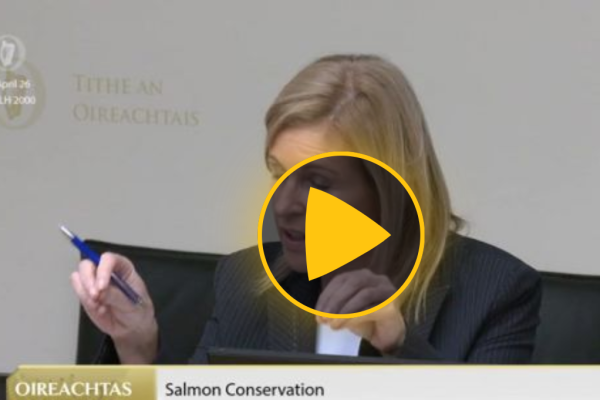
Across all submissions to the Committee, one message is clear: Atlantic salmon are in crisis. Despite some gaps in the data, the overall trend is unmistakable—stocks are in sustained decline. Now is the time to act decisively to halt and reverse that decline. In this newsletter, we outline the key evidence presented, reflect on the discussion at Committee level, and set out why current pressures on salmon—both in freshwater and at sea—require a far more precautionary and coordinated response. We also highlight a number of critical concerns, including: The continued exploitation of vulnerable stocks in certain river systems The need for a precautionary approach where even moderate surpluses are protected The importance of stronger alignment between policy and scientific advice The role all stakeholders, including recreational fishers, must play in conservation Alongside the newsletter, we have submitted a number of supporting materials, including our opening statement, a policy document, and additional evidence presented to the Committee. Links to video recordings of the session are also available. A full transcript will be shared once published. This is a pivotal moment. The decisions taken now will determine whether wild Atlantic salmon recover—or continue their path toward collapse. We encourage you to read and share the newsletter, and to continue supporting efforts to protect and restore this iconic species. Thank you for your continued support. Salmon Watch Ireland Newsletter Number 37
Continue reading -
Newsletter Number 36 – 10 April- Response to New Salmon Regulations
Please find the response of Salmon Watch Ireland to salmon regulations as signed into law in early April. Some positives but overall a disappointing outcome with little concrete advances to protect wild salmon. We ask that all anglers abide by the code of conduct as laid out in the newsletter. We hope for a better outcome for salmon into the future. While the weather presently is not conducive to angling, it is certainly a help in protecting adults returning and smolts will have an abundance of water to safely avoid serious predation pressures. Hopefully these conditions prevail until May. Newsletter Number 36 10 April 2026
Continue reading -

Newsletter Number 35 – 31 March 2026 -Pollution Portal Salmon Watch Ireland
We are pleased to announce the launch of a new Ireland Water Pollution Reporting Portal, designed to make it quicker and easier for the public to report suspected pollution incidents and help protect our rivers, lakes, and coastal waters. Recent events, including the devastating fish kill on the Blackwater and other serious pollution incidents across the country, have highlighted just how vulnerable our waterways are—and how important timely reporting can be. Early intervention can make a real difference in preventing long-term environmental damage. This portal brings together key reporting information in one place, helping you to: Identify pollution incidents Contact the correct authority quickly Follow a clear, standard reporting procedure Provide useful details (including photos and location) that support investigation and enforcement We strongly encourage anyone who spends time near water—anglers, farmers, walkers, and local communities—to make use of this resource. The resource is available on our website and can be downloaded to your phone if required. If you have any questions or feedback, please don’t hesitate to get in touch. Newsletter Number 35 - 31 March 2026
Continue reading -
A changing ecosystem – The decline of Atlantic salmon
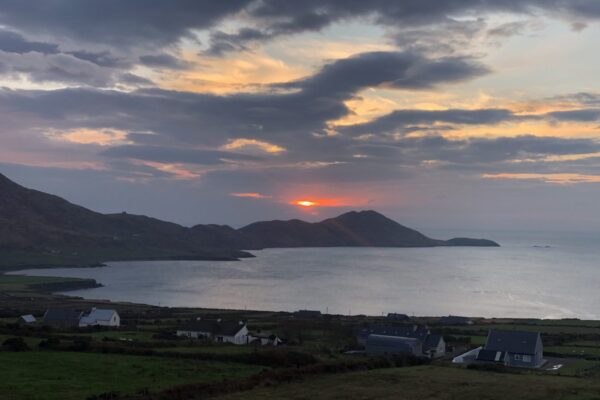
In this issue, we introduce recent peer-reviewed scientific research that provides important insight into the continuing decline of Atlantic salmon at sea. While much attention has focused on rivers, the evidence increasingly shows that the greatest losses are occurring in the marine environment — particularly in the critical early weeks after young salmon enter the ocean. Three recent studies point to a major ecosystem shift in the Northeast Atlantic around 2005, with long-term declines in plankton productivity and marine energy availability. The findings suggest that reduced food availability — rather than simple temperature “shock” — is now a key driver of lower growth and survival. The implications are significant. If marine productivity remains depressed, recovery to historic salmon abundance will be extremely difficult without addressing every avoidable human pressure, both at sea and in coastal waters. This newsletter summarises the headline findings and provides links to the three scientific papers. We hope you find it informative and, as always, we welcome your feedback and continued support. Newsletter Number 31 - 10 Feb 2026
Continue reading -
Newsletter Number 30 – 07Feb 2025
Salmon Watch Ireland response to updated draft tagging regulations Salmon Watch Ireland acknowledges that the updated draft Wild Salmon and Sea Trout Tagging Scheme Regulations 2026 include measures that continue to provide important protection for spring salmon, particularly through the retention of strict controls outside the main summer harvest period. The organisation recognises the importance of safeguarding early running fish, which remain under pressure in many river systems. However, Salmon Watch Ireland is concerned by several elements of the revised draft, particularly where changes represent a reduction in precaution compared with the previous draft regulations. 2026
Continue reading -

Newsletter Number 27 – 16 December 2025 Salmon Watch Ireland
We are writing to share our latest newsletter, which focuses on the urgent need to curtail salmon exploitation and the importance of the tagging measures announced by Inland Fisheries Ireland. The newsletter outlines the biological necessity of maximising the number of salmon reaching the spawning grounds in light of the continued and severe decline in salmon stocks. It highlights why maintaining adequate spawning escapement is fundamental to stock recovery, genetic integrity, and long-term resilience, and why precautionary management measures are essential at this time. We also emphasise that exploitation controls alone are not sufficient. A proactive and coordinated response is required both nationally and internationally to address the many pressures affecting salmon throughout their life cycle. We therefore ask all stakeholders to support the exploitation and tagging measures introduced by Inland Fisheries Ireland as part of a wider effort to safeguard this species. We would like to thank all those who continue to engage constructively and support these necessary actions. Your cooperation is vital to ensuring that enough spawners remain to protect and restore Atlantic salmon populations for the future.
Continue reading -

Conference Proceedings – Salmon Watch Ireland, Athlone 11 October 2025
This special conference edition — “Protecting Wild Salmon: Science, Stewardship, and Accountability” — captures the key discussions and outcomes from our 2025 Athlone Conference. Inside you’ll find: Science and Survival: Dr. Elvira de Eyto on seven decades of data from Burrishoole, and Dr. Paddy Gargan confirming the clear link between sea lice and salmon mortality. Grassroots Action: Maura Brennan’s Nore Vision project showing the power of community-led stewardship. Policy and Law: Emma Armshaw (SWAN) on the incompatibility of open-net salmon farming with EU clean-water directives. A Call to Action: From pollution reporting to citizen science — discover how you can make a difference. Thank you for your continued support in protecting Ireland’s wild salmon. Newsletter Number 22 Final
Continue reading